A First-Timer’s Guide to a Sound Healing Retreat Bali: Preparation and Protocols
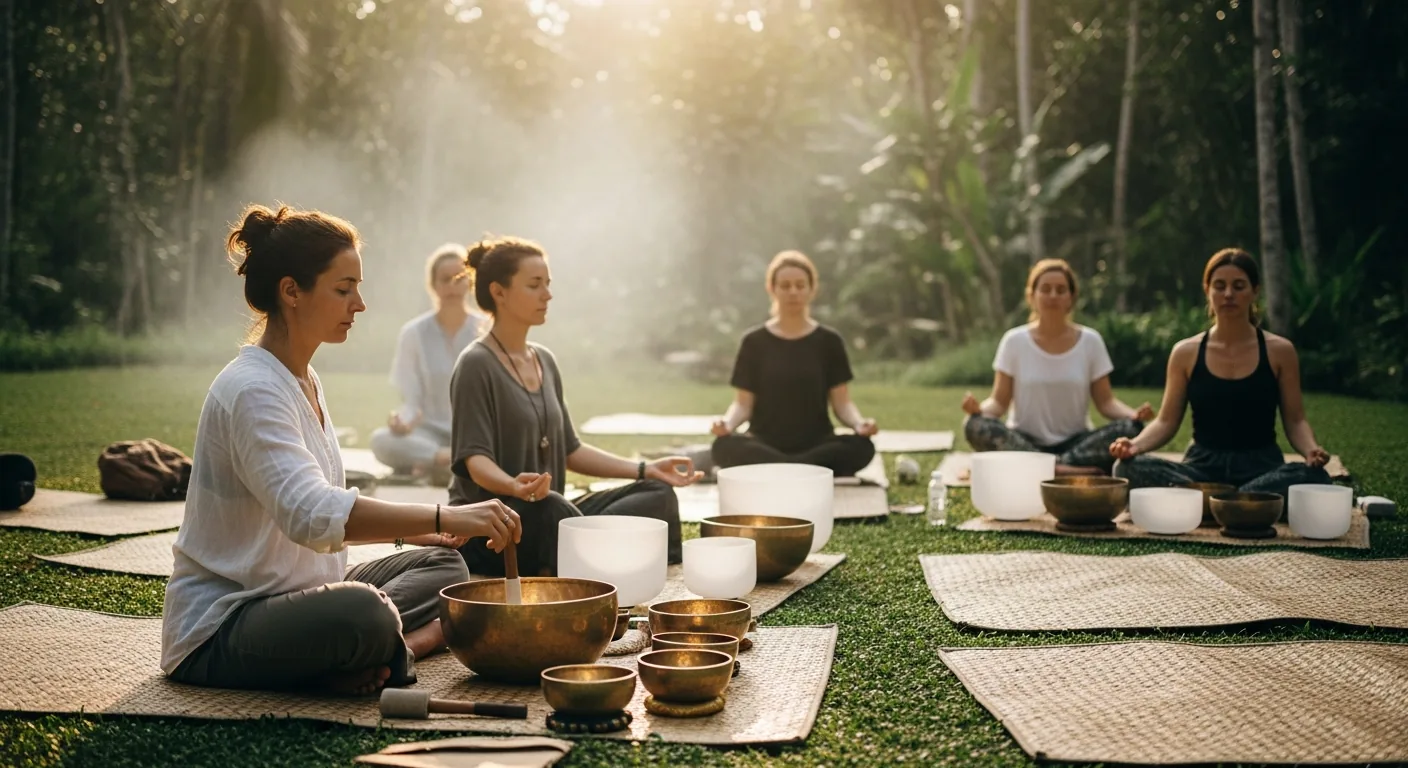
The air in Ubud hangs thick with the scent of frangipani and clove-scented kretek cigarettes, a sensory counterpoint to the distant, percussive hum of gamelan music. It’s a place where the veil between the material and the mystical feels particularly thin. For decades, travelers have come to this specific corner of Bali not just for its verdant rice terraces, but for a profound internal recalibration. Amidst this setting, a unique modality has gained significant traction: sound healing. Yet, for the uninitiated, the prospect of attending a sound healing retreat Bali can feel opaque, shrouded in questions of protocol, efficacy, and expectation. What does it truly mean to participate in a gong meditation or a singing bowl ceremony? The primary concern for many is a fear of the unknown—of not knowing how to prepare, what will happen, or if the experience is even legitimate.
This guide serves as a clear, authoritative resource for the discerning traveler considering their first bali sound healing experience. We will address these uncertainties directly, providing detailed answers on preparation, the science and sensations of the practice, and how to select a facilitator with verifiable expertise. By demystifying the process, we aim to equip you with the knowledge to engage with this practice thoughtfully and confidently, ensuring your time in Ubud is not just a visit, but a meaningful energetic reset.
The Resonance of Ubud: Why Bali is a Global Center for Sonic Wellness
Ubud’s position as a nexus for wellness is not a recent phenomenon. The name itself derives from the Balinese word ubad, meaning medicine, a nod to its centuries-old reputation as a source of medicinal herbs and healing. This deep-rooted connection to holistic health, combined with the island’s unique Hindu-Dharma spiritualism, creates a fertile ground for practices like sound healing to flourish. Since the wellness tourism boom of the early 2010s, which saw visitor interest in yoga and meditation increase by over 300% in a decade, Ubud has attracted a high concentration of experienced practitioners from around the globe.
The island’s inherent acoustics also play a role. The open-air balé structures, traditional pavilions made from bamboo and alang-alang grass, are acoustically superior for sound meditation, allowing frequencies to resonate without the harsh reverberation of enclosed Western architecture. It is within these spaces that a proper ubud sound bath becomes a fully immersive experience. Facilitators here are not merely playing instruments; they are engaging with a lineage. Ketut Arsana, a Balinese healer with over 20 years of practice, notes, “In Bali, sound is not entertainment. It is a bridge. The sound of the gong clears the space for the spirits, and the bowls retune the water in our bodies, just as the subak system tunes the water for the rice fields.” This perspective elevates a simple gong meditation Bali from a novel activity to a practice integrated with the island’s foundational philosophies. The industry here is mature; it’s estimated that prior to 2020, wellness-focused travel contributed upwards of $600 million USD annually to Bali’s economy, a testament to the quality and demand for these specialized experiences.
Decoding the Frequencies: What to Expect from Your First Sound Bath
Entering the space for your first sound bath, you will likely find mats, bolsters, and blankets arranged on the floor. The central focus will be an array of instruments that may seem esoteric at first glance. These are not random objects but precision tools, each with a specific purpose. Understanding them is the first step in appreciating the science behind the ceremony. See also: see Sound Healing Retreat Bali Sacred’s About.
The most common instruments in a singing bowl ceremony Bali include:
- Tibetan Singing Bowls: These are not made of a single metal but are traditionally forged from an alloy of seven, each corresponding to a celestial body: gold (Sun), silver (Moon), mercury (Mercury), copper (Venus), iron (Mars), tin (Jupiter), and lead (Saturn). When struck or circled with a mallet, they produce a complex, multi-layered overtone that induces a state of deep relaxation.
- Crystal Bowls: A more modern instrument, these are crafted from at least 99.8% pure quartz crystal. They are tuned to specific musical notes (C, D, E, F, G, A, B) that are said to correspond to the body’s seven primary energy centers, or chakras. Their sound is a pure, resonant sine wave that is powerfully felt in the body.
- Gongs: Large, resonant discs, often Paiste or Wuhan brands, are the centerpiece of many sessions. A 32-inch symphonic gong, for example, can produce frequencies as low as 80 Hz. The sound is complex and non-linear; it builds into a “wall of sound” that is said to clear energetic blockages and quiet the “monkey mind,” the stream of incessant thoughts. Dr. David Frawley, a Vedic scholar, explains that the gong’s sound creates a state of “pratyahara,” or sensory withdrawal, which is a prerequisite for deeper meditation.
During a session, which typically lasts 60 to 90 minutes, you will simply lie down, close your eyes, and allow the sounds to wash over you. The facilitator will move around the room, playing the instruments in a specific sequence designed to guide participants from a waking beta brainwave state into deeper alpha and theta states, where cellular regeneration and deep relaxation occur. There is no action required from you beyond stillness and receptivity. See also: Sound Healing Retreat Bali Sacred.
Preparation and Etiquette for a Singing Bowl Ceremony in Bali
To receive the full benefit of a bali sound healing session, thoughtful preparation is key. This is not just about logistics but about creating the proper internal and external conditions for a profound experience. The environment in a sound bath is one of heightened sensitivity, and your personal state can affect both your experience and that of others. Adhering to a simple etiquette ensures a harmonious session for everyone involved.
Before You Arrive:
- Hydrate Well: Sound waves travel more effectively through water. Being well-hydrated can intensify the physical sensations of the vibrations. Aim to drink several glasses of water in the hours leading up to the session.
- Eat Lightly: Avoid a heavy meal or stimulants like caffeine for at least two to three hours beforehand. A full stomach can cause discomfort while lying down, and caffeine can inhibit the mind’s ability to relax into a meditative state.
- Dress for Comfort: Wear loose-fitting clothing made from natural fibers like cotton or linen. You will be lying still for over an hour, and the body temperature can drop during deep relaxation, so having layers or using the provided blanket is advisable.
- Set an Intention: Take a few moments to consider what you hope to release or receive from the experience. This is not a requirement, but a simple, clear intention can act as an anchor for your awareness during the session.
Upon arrival, you will be asked to turn off all electronic devices completely—not just silence them. The electromagnetic frequencies can interfere with the subtle energies of the space. It is also customary to remove your shoes before entering the healing space. Avoid wearing strong perfumes or essential oils, as some participants may have sensitivities. The goal is to create a neutral, sacred space where the only dominant sensory input is the sound itself. See also: Contact.
A Comparative Look at Sound Healing Modalities in Ubud
The term “sound healing” is an umbrella for a variety of experiences available in Bali, from brief group sessions to intensive, multi-day retreats. Understanding the differences in format, cost, and intention can help you select the offering best aligned with your objectives. An hour-long ubud sound bath offers a taste, while a comprehensive retreat provides a structured protocol for deeper transformation. Below is a comparison of typical offerings.
| Modality | Typical Duration | Instruments Used | Average Cost (USD) | Best For |
|---|---|---|---|---|
| Group Sound Bath | 60-90 minutes | Gongs, Crystal Bowls, Tibetan Bowls, Chimes | $25 – $40 | First-timers, relaxation, stress reduction, a brief introduction to the practice. |
| Private Sound Therapy | 75-120 minutes | Targeted use of tuning forks, bowls placed on the body, voice toning | $100 – $200 | Addressing specific physical or emotional issues, personalized attention, deep energetic work. |
| Gong Puja (All-Night Ceremony) | 7-8 hours (overnight) | Multiple large gongs played continuously | $70 – $120 | Experienced meditators, deep subconscious clearing, profound spiritual experiences. |
| Multi-Day Sound Healing Retreat | 3-7 days | Full spectrum of instruments, plus yoga, meditation, workshops, and personal consultation. | $1,500 – $3,500+ | Comprehensive reset, immersive learning, significant life transitions, dedicated spiritual inquiry. |
Navigating the Experience: Physical Sensations and Emotional Release
One of the most common questions from first-timers is: “What will I feel?” The answer is highly individual. The experience of a gong meditation Bali is subjective and can vary from session to session. However, there are several common categories of experience. Physically, you may feel the vibrations of the instruments, particularly the gongs and bowls placed near you, resonating in different parts of your body. Some report a feeling of lightness, as if floating, while others feel a heavy, grounded sensation. It is not uncommon to experience tingling, warmth, or involuntary muscle twitches as stored tension is released.
Mentally, the goal is to bypass the conscious mind. You may find your thoughts slow down and drift away, or you might enter a vivid, dream-like state. Some people see colors or geometric patterns behind their closed eyelids. Emotionally, a sound bath can be a catalyst for release. The frequencies can stir up suppressed emotions, and it is perfectly normal and acceptable to feel joy, sadness, or grief. The space is held by the facilitator to be a safe container for this process. As our lead facilitator at Sound Healing Retreat Bali Sacred, with over 15 years of experience, often explains, “The sound does not create the emotion; it simply illuminates what is already there, allowing it to be seen and released.” It is also important to note that some people feel very little on their first try, other than deep relaxation. This is not an indication of failure; the body and mind are still receiving the benefits of the frequencies on a cellular level. See also: book Ceremony Experience.
Safety and Selecting a Reputable Facilitator for Your Bali Sound Healing
As the popularity of sound healing has grown, so has the number of practitioners. While many are highly skilled, the industry is largely unregulated. Ensuring you are in the hands of a qualified, experienced, and ethical facilitator is paramount for a safe and effective experience. A poorly facilitated session can be ineffective at best and emotionally jarring at worst. When researching a sound healing retreat Bali, look for clear indicators of professionalism and expertise.
A reputable facilitator or retreat center should demonstrate:
- Verifiable Training and Lineage: Where did they study? Look for training from established institutions like the Globe Sound and Consciousness Institute or direct apprenticeship with recognized masters. A credible facilitator can speak to their lineage and methodology.
- Substantial Experience: How long have they been practicing? A facilitator with at least five years of consistent practice, or over 1,000 hours of facilitation, has likely encountered a wide range of client responses and can hold space with confidence.
- Clarity and Professionalism: Their website and communications should be clear, professional, and transparent about what is included, the schedule, and the philosophy behind their work. They should be able to answer specific questions about their process.
- A Focus on Integration: A quality retreat is not just about the peak experience but also about how to integrate it afterward. Look for programs that include time for journaling, group sharing (optional), and practical advice for returning to daily life.
At Sound Healing Retreat Bali Sacred, our facilitators are required to have a minimum of 10 years of dedicated practice and hold certifications from internationally recognized programs. We believe that the safety and integrity of the space are the foundation upon which true healing can occur. We encourage prospective guests to inquire directly about our facilitators’ backgrounds and our specific protocols.
Integration: Carrying the Harmony Beyond the Retreat
The deep state of resonance achieved during a singing bowl ceremony Bali is not meant to be a fleeting holiday experience. The final, and perhaps most important, part of the process is integration. The days following a sound bath are a critical window for integrating the shifts that have occurred. The nervous system has been recalibrated, and it’s important to support this new equilibrium. We advise our guests to move slowly and mindfully post-session. Drink plenty of water to help flush any toxins that were released. Spend time in nature, and minimize exposure to loud noises and chaotic environments. Journaling can be a powerful tool to process any insights or emotions that arose. By taking these gentle steps, you allow the harmonious frequencies to settle into your being, carrying the profound peace of your Bali sound healing experience forward into your life.
To reserve your space in our next curated sound healing retreat or to inquire about our private sessions, please contact our concierge. We are available to answer any further questions and assist you in planning your experience.
Sound Healing Retreat Bali Sacred
Office: Jalan Sunset Road No. 88, Kuta, Badung, Bali 80361
Phone: +62 (811) 394-14563
Email: [email protected]